Therapists in Tucson, Arizona
If you feel uncertain about seeing a therapist in Tucson, Arizona, you can take time to understand the person's approach before discussing deeply personal experiences.
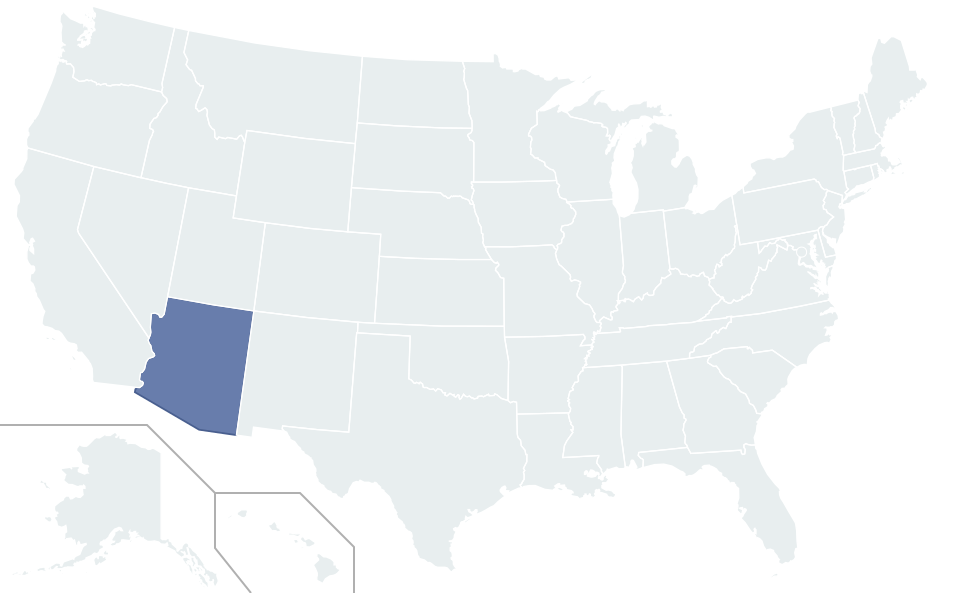
Meet therapists in Tucson
No therapist profiles are listed for Tucson yet. Therapists who offer online sessions in Arizona may be able to work with you from home.
Local figures for Tucson
- 3,089 individual NPI registrants with mental health specialty codes report a practice address in Tucson, about 56.9 per 10,000 residents, compared with 26.7 across Arizona.
- By specialty code: 1,324 with counselor codes, 704 with clinical social worker codes, 473 with psychologist codes, 107 with marriage and family therapist codes, 559 with psychiatry and psychiatric nurse practitioner codes. Some registrants hold more than one specialty code, so these groups overlap and do not add up to the total.
- According to the 2025 release of CDC PLACES, an estimated 18.3% of adults report frequent mental distress (14 or more days of poor mental health in the past 30 days) in Tucson, compared with 15.4% across Arizona.
- According to the 2025 release of CDC PLACES, an estimated 24.0% of adults have ever been told by a health professional that they have a depressive disorder in Tucson, compared with 19.5% across Arizona.
- 66 mental health treatment facilities are listed in Tucson in SAMHSA's 2025 National Directory of Mental Health Treatment Facilities.
- 89.6% of households in Tucson have a broadband internet subscription, which matters if you are weighing online sessions (American Community Survey 2019 to 2023 five-year estimates).
Sources: CMS NPPES data files (NPI Registry), CDC PLACES measure definitions, SAMHSA FindTreatment.gov, U.S. Census Bureau American Community Survey. A registry listing does not mean a clinician is accepting new clients, so check when you contact them.
About these figures: NPI counts are individual providers with a mental health or psychiatry specialty code and a practice address in the place, from the CMS November 2026 NPPES file with deactivated records removed; they show registration, not current licensure, availability or specialist training. Addresses are matched on the city name in the registered address, which can include places outside city limits. Rates per 10,000 divide November 2026 registrant counts by American Community Survey 2019 to 2023 population. SAMHSA counts are facilities in the 2025 National Directory of Mental Health Treatment Facilities (survey year 2024), which may differ from the live FindTreatment.gov listings. CDC PLACES figures are model-based estimates for adults and, like the Census figures, are general local context, not measures of how common any one condition is.
When the idea of therapy makes you nervous
You may know that something needs attention without feeling comfortable discussing it with another person. Perhaps you are worried about being judged, becoming upset during an appointment or finding the words to explain your experiences.
When considering a therapist in Tucson, ask how they work with people who find personal conversations difficult. You do not need to present a complete explanation of your feelings before deciding whether you want to arrange an appointment.
Learning from previous experiences
If you have attended therapy before and found it unhelpful, consider what contributed to that experience. Perhaps the conversations felt directionless, you struggled to explain yourself or you disagreed with the suggested approach.
These are reasonable subjects to discuss with another clinician. Ask how they would handle situations in which you felt misunderstood or wanted to change the direction of treatment.
The guide to finding a fit offers questions that you can adapt to your circumstances. An initial conversation is an opportunity to understand the clinician's approach rather than a commitment to continuing treatment.
Establishing professional boundaries and qualifications
Arizona counselors, social workers and marriage and family therapists are regulated by the state behavioral health board, and psychologists by their own board. Request the therapist's license type and number. If anything remains unclear, confirm the information with the relevant authority.
You can also ask about confidentiality, communication outside appointments and what happens if you decide to end therapy. If you consider remote care with therapists across Arizona, discuss professional authorization and privacy arrangements.
When distress becomes a crisis, call or text 988 for immediate support.
Related searches
Questions about therapy in Tucson
Do you need to prepare anything before the first appointment?
You do not need a rehearsed account of your experiences. If it helps, write down a few concerns, questions or subjects you find difficult to discuss. Ask the therapist beforehand whether any paperwork or other information is required.
What if you feel nervous about attending therapy?
You can tell the therapist that discussing personal experiences makes you uncomfortable. Ask what the appointment will involve and explain any concerns about particular subjects. You can request clarification, discuss your boundaries or reconsider the arrangement if needed.
Latest articles
A little information can help when you are unsure what to expect.


Find someone to talk to in Tucson
Read about the therapists here. You can take your time deciding who to contact.