Understanding chronic illness therapy
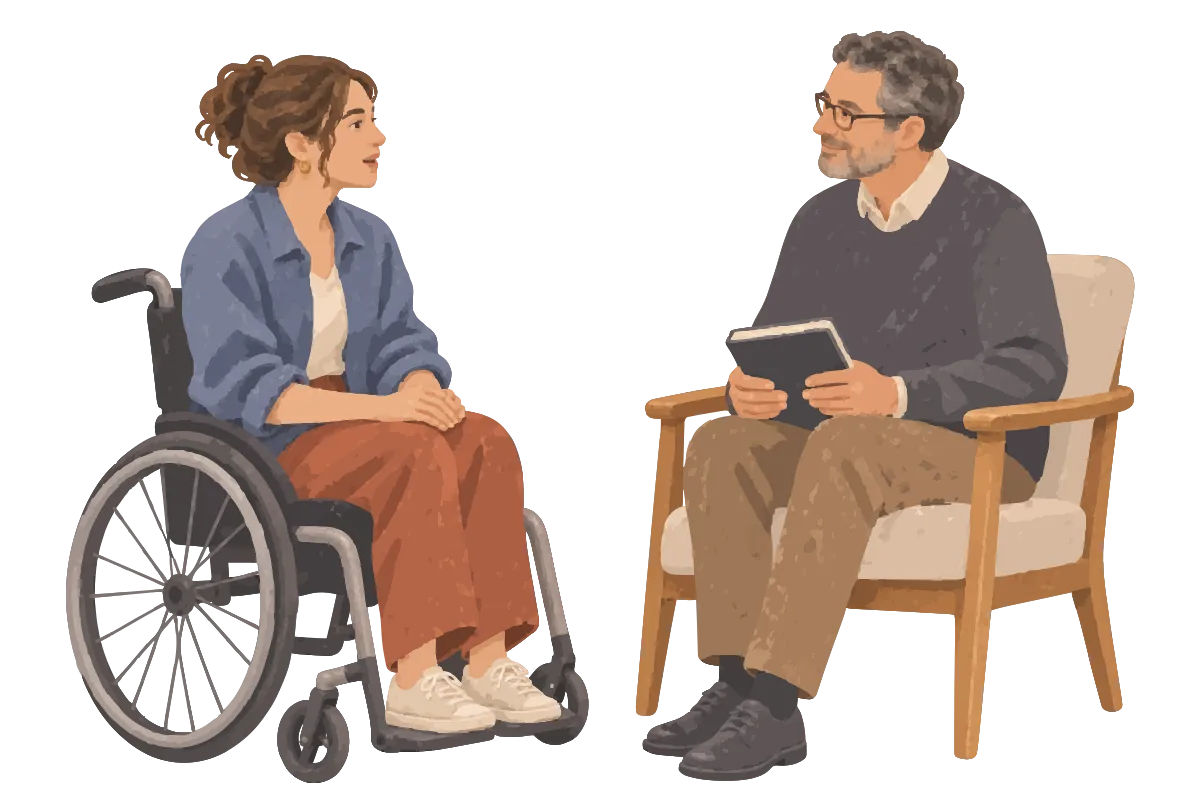
Chronic illness therapy is psychological support for people living with long-term health conditions. It can help you manage difficult emotions, adjust to changes in your health and cope with uncertainty about the future. A long-term condition can affect your work, finances, relationships and sense of identity. Therapy works alongside medical care, with attention to how illness affects your emotional well-being and the decisions you face in everyday life.
The National Institute of Mental Health defines a chronic disease by its duration and effect on health or daily functioning. These conditions last a year or longer and may require continuing medical care, restrict everyday activities, or both. Examples include diabetes, cancer, epilepsy, heart disease, autoimmune conditions, HIV, multiple sclerosis and chronic pain. People living with chronic disease face an increased risk of depression. Having both conditions can also be associated with more severe symptoms.
MedlinePlus describes the emotional effects of chronic illness, including anxiety, stress and anger. Chronic illness counseling may help you feel more able to manage the parts of your life that remain within your control. You can find a therapist who works with chronic illness even if you have not been diagnosed with a mental health condition. You may simply need somewhere to talk about how much your life has changed, particularly when those closest to you struggle to understand.
If you are in emotional crisis or thinking about suicide, call or text 988 to speak with a counselor through the 988 Suicide & Crisis Lifeline. If you are in immediate danger or experiencing a medical emergency, call 911.
Signs it may be time to see a therapist
Feeling low, scared or angry after a diagnosis is a normal human response, not a sign that you are coping badly. These feelings may also develop gradually, long after your diagnosis. You might consider speaking with a therapist if:
- Low mood, worry or irritability has lasted for weeks and is affecting sleep, appetite or relationships.
- You avoid medical appointments, test results or treatment because they bring up too much fear.
- You feel guilty about what you can no longer do for your family or at work.
- You have lost interest in things that used to matter, beyond what the illness itself prevents.
- A hospital stay, emergency or frightening medical procedure keeps replaying in your mind.
- Others underestimate your symptoms because your illness is not always visible.
- Managing medications, dietary requirements and appointments has become emotionally overwhelming.
- You find yourself withdrawing from friends or family because explaining how you feel takes too much energy.
Chronic illness and depression
Some symptoms of depression, such as fatigue, difficulty concentrating and changes in sleep, can overlap with the illness itself. Physical illness and its treatments may also affect your mood. That is one reason to talk with your doctor as well as a therapist. If you are experiencing persistent sadness, hopelessness or a loss of enjoyment, an assessment for depression may help clarify what is contributing to these feelings.
Medical trauma
Medical trauma describes emotional distress associated with frightening or overwhelming healthcare experiences. It can follow an emergency, intensive care admission, painful procedure, difficult diagnosis or experiences in which you felt powerless. You might become anxious before appointments, experience unwanted memories or struggle to trust medical professionals. A therapist with experience in trauma and physical illness can help you explore these reactions without dismissing the medical experiences behind them.
Types of therapy for chronic illness
NIMH explains that depression can be treated alongside chronic disease. Treatment may involve psychotherapy, medication or both. Therapy may take place in person or online. A qualified prescriber can discuss medication with you. The type of psychological support that suits you will depend on your health, emotional difficulties, preferences and what you hope to address in sessions.
Cognitive behavioral therapy
CBT examines how thoughts, emotions and behaviors affect one another. If illness has left you feeling worthless or guilty about needing help, a therapist may work with you to examine those beliefs. CBT can also address anxiety, depression and difficulties with sleep. It does not require you to question the reality of your physical symptoms or dismiss your body's limitations.
Acceptance and commitment therapy
ACT focuses on responding to difficult thoughts and feelings with greater flexibility while making choices that reflect what matters to you. Acceptance in this context does not mean giving up on medical treatment, approving of what has happened or pretending that illness is less difficult than it is.
Pacing and energy planning
A therapist may help you recognize the emotional pressure to do more than your health allows and explore ways to manage expectations at home or work. Pacing is a symptom management strategy rather than a distinct psychotherapy. If physical or mental exertion worsens your symptoms, activity planning should respect your individual limits and the advice of your medical team.
Grief and adjustment work
Illness can mean losing a career, a role or a picture of the future. Therapy gives that grief room rather than rushing you toward acceptance. You may need to revisit these feelings as your condition or circumstances change.
Couples and family therapy
Partners and children are affected too. Joint sessions may help everyone discuss changing responsibilities, intimacy, communication and the pressures of providing care. If you support someone with a long-term condition, counseling focused on caregiving may also give you time to explore your own emotional needs.
Trauma-focused therapy
If a medical experience continues to cause distress, a therapist may assess whether a trauma-focused approach would be appropriate. Treatments such as trauma-focused cognitive behavioral therapy or eye movement desensitization and reprocessing (EMDR) may be considered when clinically indicated. The therapist should consider your current health, ongoing medical treatment and readiness to discuss distressing experiences.
What a health psychologist does
A health psychologist specializes in the relationship between physical health and psychological, behavioral and social factors. Health psychology includes both research and clinical work. A licensed clinical health psychologist provides psychological assessment and treatment related to physical health and illness. Clinical health psychologists may work in hospitals, primary care, cancer centers, pain clinics, transplant teams or private practice.
In clinical work, a health psychologist might help you:
- Adjust to a new diagnosis and understand what it means for your daily life.
- Manage the stress of tests, scans and waiting for results.
- Identify emotional or everyday difficulties that make demanding medical treatment harder to manage.
- Cope with pain, fatigue or sleep problems using psychological approaches suited to your health.
- Address fears about surgery or transplantation and adjust emotionally during recovery.
- Explore health behavior changes, such as stopping smoking, in coordination with your medical care.
You do not have to see a clinical health psychologist to receive psychological support for chronic illness. Licensed professional counselors, licensed clinical social workers and licensed marriage and family therapists may also have experience working with medical conditions. Some hospital-based clinical social workers provide counseling as part of a medical team. Ask about the professional's license, training and experience with the difficulties you are facing, particularly if your condition requires coordination between several healthcare professionals.
What you can talk about
Therapists who work with chronic illness hear a wide range of concerns. You might want to talk about:
- The shock of diagnosis, or the relief of finally having a name after years of symptoms.
- Being doubted by doctors, employers or family, especially with invisible illness.
- Fear of flares, progression or recurrence, and living with uncertainty.
- Changes to your body, appearance, sex life or independence.
- Work: deciding whether to continue working, reduce your hours, request accommodations or stop.
- Money worries and the cost of ongoing care.
- Friendships that faded and the loneliness that can follow.
- Decisions about treatment, and how to speak up in appointments.
- Thoughts about death and what matters most to you.
You do not need to keep a brave face in therapy. You can talk about anger, resentment, sadness or exhaustion without having to reassure someone else. A therapist may also help you consider what you need from the people around you and how to express those needs.
Coping with chronic illness in everyday life
Living with an ongoing condition can involve repeatedly adjusting your plans. Tasks that once felt ordinary may require more time, assistance or rest. It can be difficult to accept help when independence has always mattered to you. Counseling can give you time to explore those changes and the feelings they bring up.
You might discuss how to set boundaries with relatives, explain an unpredictable condition to an employer or maintain friendships when your energy is limited. The aim is to find ways of living that respect your health and reflect your own priorities, rather than expecting you to return to the person you were before becoming ill.
What happens in chronic illness counseling sessions
An initial session usually covers your health history, how the illness affects your days, your support and what you hope to get from therapy. A therapist may ask about changes in your symptoms, previous experiences of counseling and any concerns you have about attending regularly. You can decide how much medical information you feel comfortable discussing and explain what makes appointments difficult for you.
It is reasonable to discuss how therapy could accommodate your physical symptoms. Depending on the therapist and your circumstances, arrangements might include:
- Online sessions when traveling is difficult, including attending from a comfortable position at home.
- Shorter appointments or breaks when fatigue, pain or concentration difficulties make longer sessions difficult.
- Discussing rescheduling arrangements in advance if your condition involves unpredictable flares or hospital visits.
- Communication with your doctor or care team, with your permission, when coordination would support your treatment.
If traveling to appointments is difficult, online therapy sessions may be an option. Over time, sessions may address immediate concerns, such as an upcoming scan, alongside longer discussions about mood, identity and relationships. You may also consider returning to therapy at times of change, such as receiving new test results or adjusting to a different level of independence.
There is no single schedule that suits everyone living with chronic illness. You can discuss the frequency and length of appointments with your therapist, taking into account your symptoms, medical commitments and emotional needs.
Therapy for cancer patients and cancer support groups
Cancer brings its own mix of fear, sadness, anger and sometimes unexpected gratitude. The National Cancer Institute describes these emotional experiences and recommends asking your doctor about counseling and support groups. Emotional difficulties can continue after treatment finishes, including during periods when others expect you to feel relieved. There is no particular way you are supposed to feel following a cancer diagnosis.
Therapy for cancer patients can help with the shock of diagnosis, the emotional demands of treatment decisions, changes to your body or energy, fear of recurrence, conversations with children and family, and returning to work. Some mental health professionals specialize in oncology and provide psychological support within cancer centers. Others in private practice have experience supporting people undergoing treatment, cancer survivors and their families.
Support groups for cancer patients
Cancer support groups may be available through hospitals, cancer centers and community organizations, with some meeting online. Groups may focus on particular cancers, such as breast, prostate, lung or colorectal cancer, or on experiences such as living with advanced or metastatic disease. Other groups bring together people at different stages of treatment and recovery.
A support group offers an opportunity to speak with people who have experienced similar circumstances. You may find comfort in hearing how others manage uncertainty or discuss illness with their families. Individual therapy offers more time to examine your personal circumstances. You can choose either form of support or consider both, depending on what feels useful to you.
Emotional support after cancer treatment
Finishing treatment does not always bring an immediate sense of relief. Follow-up appointments, ongoing physical symptoms and uncertainty about recurrence can remain emotionally difficult. You may also feel pressure to resume previous responsibilities before you feel ready. Counseling can give you time to discuss these concerns without expecting you to feel positive simply because treatment has ended.
Loved ones can find support too. Partners and family members of people with cancer may wish to consider individual counseling or a caregiver support group to discuss their own worries, exhaustion and changing responsibilities.
How to choose a therapist for chronic illness
Look for a licensed mental health professional with experience in chronic illness, medical conditions, cancer, chronic pain, health anxiety or a condition similar to yours. You can find therapists who work with chronic illness and ask about their experience before arranging an appointment. If pain is a significant part of your condition, a therapist with experience in chronic pain may be particularly relevant. You may prefer someone who understands the unpredictability of your symptoms and recognizes the difference between emotional distress and the physical effects of illness.
Credentials you may see
- Licensed psychologist (PhD or PsyD): provides psychological assessment and therapy within their area of training. Some specialize in clinical health psychology.
- LCSW (licensed clinical social worker): provides mental health assessment and psychotherapy, with some clinicians specializing in medical conditions and their effects on everyday life.
- LPC or LMHC (licensed professional counselor or licensed mental health counselor): provides mental health counseling and psychotherapy within their professional training.
- LMFT (licensed marriage and family therapist): provides therapy for individuals, couples and families, including those experiencing relationship difficulties associated with illness.
- Psychiatrist (MD or DO): a physician specializing in mental health who can assess psychiatric symptoms and discuss medication. Some psychiatrists also provide psychotherapy.
Questions worth asking
- What experience do you have supporting people with this condition or similar medical conditions?
- How do you distinguish the physical effects of illness from symptoms of anxiety or depression?
- Do you offer online appointments or discuss scheduling arrangements for unpredictable symptoms?
- Are you able to coordinate care with other healthcare professionals when appropriate and with permission?
- Which therapeutic approaches do you use with people living with chronic illness, and why?
- How do you respond when physical symptoms make participation in therapy more difficult?
The NIMH guide to psychotherapies encourages discussing a therapist's qualifications, experience and treatment approach. When finding a therapist who fits, consider how comfortable you feel discussing your health, how the therapist responds to your concerns and whether their approach respects your medical needs. You should be able to discuss difficult experiences without feeling that you have to prove the reality or severity of your illness.
Common questions
What is the role of a health psychologist?
A clinical health psychologist helps people understand and manage the psychological effects of physical illness. Their work may include supporting adjustment to a diagnosis, addressing distress related to pain or fatigue, managing the emotional demands of treatment and preparing for medical procedures. Health psychology also includes research, so if you are seeking individual therapy, look for a licensed psychologist with relevant clinical experience.
Do you need a health psychologist for chronic illness counseling?
No. Clinical health psychologists specialize in the relationship between physical health and psychological, behavioral and social factors. Other clinical psychologists may also have considerable experience with chronic illness. Licensed counselors, clinical social workers and marriage and family therapists can provide support within their professional training. Consider your emotional needs, the effects of your illness and the therapist's experience with similar conditions. If you have complex medical needs, ask about their experience coordinating care with other healthcare professionals.
Can therapy help with a chronic illness?
Therapy can help you address the emotional and psychological effects of living with a long-term medical condition, including depression, anxiety, grief, relationship difficulties and uncertainty. It may also help you explore ways of communicating your needs, managing daily responsibilities and responding to changes in your health. Psychological treatment works alongside medical care and should respect the physical limitations associated with your condition.
Is it normal to feel depressed with a chronic illness?
Sadness and grief are understandable responses to changes in your health. Living with chronic disease also increases the risk of depression. Persistent hopelessness, loss of interest or emotional distress deserve attention, particularly when they interfere with daily life. A doctor or therapist can help assess these difficulties. If you are thinking about suicide, call or text 988. In an immediate emergency, call 911.
Do cancer support groups help?
Cancer support groups offer opportunities to discuss illness with people who have experienced similar difficulties. Some people find these conversations comforting, while others prefer individual counseling. Groups may focus on a particular cancer, stage of treatment or experience of survivorship. The National Cancer Institute suggests asking your doctor about available groups. You can attend a support group alongside individual therapy if both meet your needs.
Can you have online therapy if you are too unwell to travel?
Online therapy may be suitable if pain, fatigue, reduced mobility or other symptoms make traveling difficult. You can discuss attending from home and asking about shorter appointments, breaks or arrangements for unpredictable flares. Suitability depends on your clinical needs and the therapist's ability to provide remote care. You may also want to consider privacy and how comfortable you feel discussing personal matters from home.
Can therapy help with medical trauma?
Therapy may help you address persistent distress following frightening medical experiences, such as emergency treatment, intensive care, painful procedures or a difficult diagnosis. A therapist may explore unwanted memories, fear of appointments, avoidance and changes in your sense of safety. Depending on your symptoms and circumstances, a trauma-focused approach may be appropriate. Treatment should also consider your ongoing medical needs and any procedures you still require.
How long does chronic illness therapy take?
The length of therapy varies according to your emotional needs, health circumstances and reasons for seeking support. Some people want help adjusting to a recent diagnosis, while others need continuing support as their condition changes. You can discuss treatment goals and appointment frequency with your therapist. You may also return to counseling during periods of increased symptoms, new treatment or significant changes in your life.
Can you have chronic illness counseling without a mental health diagnosis?
Yes. You do not need to have depression, an anxiety disorder or another diagnosed mental health condition to discuss the emotional effects of chronic illness with a therapist. You might want support with uncertainty, changes in independence, grief, difficult medical experiences or strained relationships. An initial assessment can help you and the therapist decide what kind of psychological support may be appropriate for your circumstances.
Sources and further reading
- National Institute of Mental Health: Understanding the Link Between Chronic Disease and Depression
- MedlinePlus: Coping with Chronic Illness
- National Cancer Institute: Feelings and Cancer
- National Institute of Mental Health: Psychotherapies
- 988 Suicide & Crisis Lifeline
Page updated November 2026.
Chronic illness therapists by location
Chronic illness therapists across the United States


