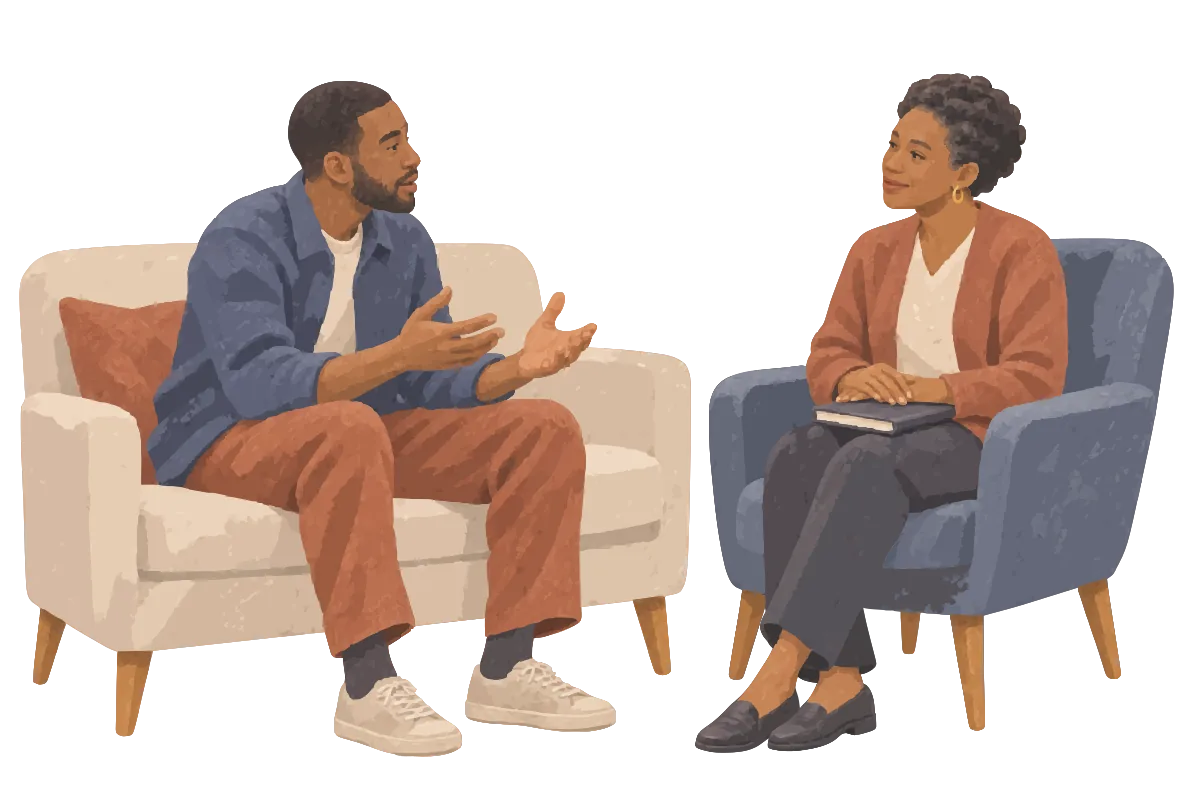
Understanding gambling concerns
Gambling addiction treatment usually involves talking therapy, particularly cognitive behavioral therapy (CBT), and may include peer support, help managing urges and support with financial difficulties. Treatment can help you understand why you continue gambling despite its consequences, develop ways to change your behavior and work toward greater control over your decisions.
As MedlinePlus explains, not everyone who gambles develops a gambling problem, but some people find it increasingly difficult to control their behavior. You may continue betting even when you know the financial or emotional consequences are becoming serious.
Gambling problems take many forms. Sports betting on your phone late at night, slot machines after work, online casino games, lottery tickets and poker can all become difficult to control. Speculative trading may also involve similar patterns of behavior. What matters is how much control you have, why you continue and what effect the behavior has on your life. You may find yourself chasing losses, hiding transactions or repeatedly breaking promises you have made about stopping.
Gambling disorder is a recognized mental health condition involving changes in behavior and the brain's reward system. MedlinePlus describes how dopamine, a chemical involved in reward, can reinforce problematic gambling behavior. This helps explain why knowing that gambling is causing harm does not necessarily make stopping easy. You may understand the consequences clearly and still experience a strong desire to place another bet. Feeling ashamed can make it harder to discuss what is happening or ask for help.
Gambling-related losses and debt can cause considerable emotional distress. If you or someone you love is experiencing a mental health crisis or thinking about suicide, call or text 988 to contact the 988 Suicide & Crisis Lifeline. Call 911 if there is immediate danger.
Signs of a gambling problem
The American Psychiatric Association's diagnostic criteria, summarized by MedlinePlus, identify nine symptoms associated with gambling disorder. A clinician considers the presence of four or more symptoms within a 12-month period, significant distress or difficulty functioning, and whether the behavior is better explained by a manic episode. Signs that may suggest gambling is becoming a problem include:
- Feeling restless or irritable when you try to cut back or stop.
- Gambling when you feel distressed, anxious, guilty or depressed.
- Returning to gambling to recover previous losses, often called chasing losses.
- Lying about how much time or money you spend gambling.
- Making repeated unsuccessful attempts to control, reduce or stop gambling.
- Depending on other people for money to manage financial problems caused by gambling.
- Needing to gamble increasing amounts of money to achieve the desired excitement.
- Jeopardizing or losing a significant relationship, job, educational opportunity or career opportunity because of gambling.
- Frequently thinking about previous bets, future gambling opportunities or ways to obtain money for gambling.
You do not need to meet a formal diagnostic threshold to talk to someone. If gambling is causing arguments at home, you are hiding statements from a partner or you feel anxious before checking your account, that is reason enough to consider support. You may also notice that gambling occupies more of your attention than you would like, even during work or time with your family.
Depression, anxiety and difficulties with alcohol or other substances can occur alongside gambling problems. A therapist may ask about these experiences to understand what contributes to your gambling and what other support you might need.
Gambling addiction treatment options
Treatment for gambling problems comes in several forms. The type of care that may suit you depends on how gambling affects your daily life, what you have already tried and any other mental health difficulties you are experiencing. Some people receive individual therapy and attend peer support meetings during the same period.
- Individual therapy: regular sessions with a therapist experienced in gambling problems. You can discuss your gambling habits, emotional triggers, financial concerns and difficulties changing your behavior.
- Group therapy: sessions led by a therapist where participants discuss gambling-related difficulties and develop skills for changing their behavior.
- Peer support groups: Gamblers Anonymous is a 12-step fellowship offering in-person and online meetings. You can hear how other people manage gambling problems and share your own experiences if you wish. Gam-Anon offers support for family members and others affected by someone's gambling.
- Intensive outpatient programs: more frequent treatment sessions for people who may benefit from additional structure and support while continuing to live at home.
- Residential treatment: care in a treatment facility that may be considered following an assessment of your gambling behavior, mental health needs and circumstances.
MedlinePlus identifies cognitive behavioral therapy, mutual support groups and methods used in addiction treatment as options for gambling problems. Research into medication for gambling disorder remains limited. A qualified prescriber can discuss medication with you.
If you are unsure what kind of gambling addiction help you need, the National Problem Gambling Helpline (1-800-MY-RESET) offers support by phone, text or online chat and can provide information about gambling-related services. You can also find therapists who work with gambling concerns and contact one directly to discuss your circumstances and ask about their approach to treatment.
Types of therapy for gambling addiction
Cognitive behavioral therapy
A research review available through the National Library of Medicine describes cognitive behavioral therapy as a commonly used psychological treatment for gambling problems. CBT helps you examine beliefs that may keep you gambling, such as feeling that a win is overdue, believing previous losses can be recovered through further betting or overestimating your ability to predict an outcome. Sessions may also involve identifying situations that trigger gambling, developing ways to respond to urges and finding alternatives to betting during difficult periods.
Motivational interviewing
You may want gambling to stop causing problems without feeling ready to give it up completely. Motivational interviewing is a respectful, collaborative approach to exploring those conflicting feelings. A therapist helps you consider what you enjoy about gambling, what concerns you and what you would like to change. It can be used alongside CBT or other psychological treatments.
Relapse prevention
Relapse prevention helps you recognize situations that increase your likelihood of gambling, such as payday, a major sporting event, boredom, loneliness or an argument at home. You and your therapist can discuss how to respond when these situations occur. If you gamble again after a period of stopping, you can examine what happened and consider changes to your treatment plan.
Couples and family therapy
Gambling can affect people who share your finances or home. Joint sessions may help you discuss financial boundaries, secrecy, communication and the effect gambling has had on your relationships. Family members can also discuss their own feelings and needs without being made responsible for controlling your gambling.
Treatment for co-occurring conditions
Gambling problems can occur alongside depression, anxiety, ADHD, trauma-related difficulties and substance use. A therapist may ask about these experiences and consider how they relate to your gambling behavior. Depending on your needs, treatment may address both difficulties together or involve coordination with another mental health professional.
How to stop gambling: steps that help
If you have tried to stop gambling before, you may already know that deciding to stop and managing the desire to gamble are different things. Reducing opportunities to bet, understanding your triggers and involving people you trust can support the changes you want to make. You can discuss these measures with a therapist and decide which are appropriate for your circumstances.
- Tell someone you trust. Talking to a friend, partner or therapist can make it easier to discuss losses, urges and financial concerns that you have been managing privately.
- Consider financial safeguards. Ask your bank about gambling transaction blocks, spending limits and other available restrictions. If you involve another person in managing your money, agree on arrangements that preserve your financial safety, access to necessities and independence.
- Reduce access to gambling. Delete betting apps, consider gambling-blocking software and look into self-exclusion arrangements offered by gambling operators.
- Prepare for urges. The intensity and duration of an urge can vary. Identify activities, people and environments that may help you delay acting on an urge and move your attention away from gambling.
- Address financial difficulties. A nonprofit credit counselor may help you understand your debts, available options and repayment arrangements. A therapist can help you discuss the emotional pressure associated with owing money and the temptation to recover losses through further gambling.
- Find alternatives to gambling. Consider what gambling provides, such as excitement, company or temporary relief from stress. Look for other activities that meet those needs without exposing you to further gambling-related harm.
If you gamble again after trying to stop, consider discussing what happened with your therapist or someone supporting you. You may need to reconsider financial safeguards, change how you respond to particular triggers or arrange additional treatment. A setback does not erase the changes you have already made, and it does not prevent you from continuing treatment.
What you can talk about in sessions
Your first session is mostly about understanding your situation. A therapist may ask when you started gambling, what you bet on, how much you have lost and owe, who knows and what you have tried. These questions can feel uncomfortable, particularly if you have kept your gambling private or are worried about how someone might respond. You do not need to have every figure or detail available before attending. You can explain which subjects you find difficult to discuss, and your therapist can work with you to understand them over time.
Things people bring to sessions include:
- The rush of a win and the disappointment or distress after a loss.
- Shame about lying to a partner or borrowing from family.
- Fear of what will happen when debts are discovered.
- Stress, loneliness or boredom that gambling seemed to ease.
- Sports betting that started as fun with friends and stopped being fun.
- Whether the goal is to stop completely or to cut down.
- How to rebuild trust and what to say to the people affected.
If you would like to know how early appointments usually run, read what happens in a first therapy session. You can also ask your therapist how confidentiality works, including the circumstances in which information may need to be shared under applicable laws and professional obligations.
How to choose a therapist for gambling addiction
When choosing a therapist for gambling addiction, look for relevant training and experience with gambling-related behavior. A professional who regularly treats gambling problems may be familiar with chasing losses, urges to bet, financial secrecy and the effect of gambling on relationships. A general mental health or addiction qualification does not necessarily indicate specific experience treating gambling disorder.
Credentials you may see
- LCSW: licensed clinical social worker. These professionals may provide psychotherapy and help address social, emotional and family difficulties.
- LPC or LMHC: licensed professional counselor or licensed mental health counselor. These professionals provide mental health counseling, with areas of experience that vary between individuals.
- LMFT: licensed marriage and family therapist. These professionals may work with individuals, couples and families affected by gambling-related difficulties.
- Licensed addiction counselor: titles include LADC and LCADC. Licensing requirements, permitted professional activities and training vary by jurisdiction. Ask specifically about experience with gambling problems.
- Certified gambling counselor: a professional with gambling-specific certification. Certification does not necessarily establish independent licensure to provide psychotherapy.
- Psychologist or psychiatrist: licensed psychologists, who commonly hold a PhD or PsyD, may provide psychological assessment and therapy. Psychiatrists are medical doctors with an MD or DO who specialize in mental health.
Questions to ask
NIMH recommends a preliminary conversation to learn how a therapist works. Useful questions include:
- How much of your work is with gambling problems?
- Which approaches do you use, and how long does treatment usually last?
- What experience do you have with sports betting or other forms of gambling?
- Do you work on debt and money safeguards, or refer for that?
- Can my partner join some sessions?
- What happens if I gamble again during treatment?
You can read profiles of gambling addiction therapists, or see how to find a therapist who fits for more on choosing.
When someone you love has a gambling problem
Living with someone who has a gambling problem can affect your financial security, relationships and emotional health. You may discover debts you did not know about, feel uncertain about promises or worry about meeting household expenses. You might also wonder whether you could have recognized the problem sooner. You are not responsible for another person's decision to gamble.
- Consider ways to protect your finances, such as checking your credit report, reviewing shared accounts and obtaining independent financial advice before changing financial arrangements.
- Before paying gambling-related debts, consider how doing so could affect your own financial security. A qualified financial counselor may help you understand your options.
- Talk about specific effects, such as missed rent payments or unexplained withdrawals, rather than describing the person through negative labels.
- Encourage professional treatment and offer assistance if appropriate, while recognizing that you cannot make another person change their gambling behavior.
- Consider support for yourself through Gam-Anon or individual therapy, even if the person gambling is not ready to seek treatment.
Family members may experience symptoms of anxiety or depression as they manage ongoing uncertainty, financial pressure or relationship difficulties. Therapy can provide an opportunity to discuss these experiences and consider your own needs. If alcohol or drug use is also affecting the household, you can discuss this with a therapist and consider what additional support may be appropriate.
What recovery from gambling addiction can look like
Gambling disorder can involve periods of improvement and renewed difficulty. MedlinePlus explains that people can benefit from treatment even though returning to gambling is common. The changes you work toward may include reducing gambling-related harm, stopping gambling, managing financial responsibilities and improving relationships affected by your behavior. Recovery does not follow the same pattern for everyone.
During treatment, you may spend time identifying gambling triggers, reducing opportunities to bet and learning how to respond to urges. Your therapist may also help you understand the role gambling has played in your life. For example, you might gamble to experience excitement, avoid uncomfortable feelings or distract yourself from financial worries. Understanding these patterns can help you consider other ways to respond to the same needs. You and your therapist can review whether your current goals and treatment arrangements are helping.
Recovery may also involve addressing the consequences of previous gambling. That could mean discussing debts with a partner, obtaining financial advice, acknowledging how your behavior has affected someone or working toward more open communication. These conversations may be uncomfortable, particularly where trust has been damaged. A therapist can help you prepare for them without assuming that every financial or relationship difficulty can be resolved through therapy.
If your gambling increases again, you can discuss what has changed, reconsider your safeguards and explore whether additional support would be helpful. You do not need to wait until the consequences become severe before returning to treatment.
Common questions
Can people recover from gambling addiction?
Yes. Recovery from gambling addiction is possible, although experiences differ. Therapy can help you understand your gambling behavior, manage urges and develop strategies for reducing harm. Peer support and financial safeguards may also help. If you return to gambling after a period of stopping, you can discuss what happened with your therapist and consider adjustments to your treatment plan.
How can I stop gambling?
Consider telling someone you trust, reducing your access to gambling and arranging support from a therapist or a group such as Gamblers Anonymous. Identify situations that make you more likely to gamble, including payday, sporting events or periods of stress. Financial safeguards and independent debt advice may also help you manage the consequences of gambling without trying to recover losses through further betting.
Is gambling disorder a mental health condition?
Yes. Gambling disorder is classified as an addictive disorder in the diagnostic manual used by US mental health professionals. It involves persistent gambling behavior associated with significant distress or difficulties in everyday life. Gambling can affect the brain's reward system in ways that share features with substance addictions. A qualified clinician can assess your symptoms and discuss appropriate treatment.
Which therapies are used to treat gambling addiction?
Cognitive behavioral therapy (CBT) is a commonly used psychological treatment for gambling problems. It helps you examine beliefs about winning, losing and controlling gambling outcomes while developing ways to manage urges. Motivational interviewing, relapse prevention and family therapy may also be considered. The treatment you receive depends on your circumstances, preferences and any other mental health difficulties.
Is there a gambling hotline I can call?
Yes. You can contact the National Problem Gambling Helpline at 1-800-MY-RESET by phone or text for information about gambling-related support and treatment services. Online chat is also available. Family members can contact the helpline as well. If you are experiencing a mental health crisis or thinking about suicide, call or text 988. Call 911 if there is immediate danger.
Can Gamblers Anonymous help with gambling addiction?
Gamblers Anonymous offers peer support through a 12-step fellowship. Meetings provide opportunities to discuss gambling difficulties, hear other people's experiences and develop connections with people facing similar concerns. In-person and online meetings are available. Some people find this format helpful, while others prefer different forms of support. You can attend alongside professional therapy if that suits your needs.
How long does gambling addiction treatment take?
Treatment length varies according to your gambling behavior, emotional health, circumstances and treatment goals. Some psychological treatments use a defined number of sessions, while others continue according to your needs. Your therapist can discuss the expected duration, review changes in your gambling behavior and consider whether further sessions or other forms of support may be helpful.
Can a therapist help with sports betting addiction?
Yes. Psychological treatments used for other gambling problems, including CBT and motivational interviewing, can also address difficulties with sports betting. Your therapist may help you examine beliefs about sporting knowledge, betting strategies and recovering losses. Sessions can also address triggers such as live odds, betting notifications and watching games with friends, alongside ways to reduce your access to betting opportunities.
Sources and further reading
- MedlinePlus Medical Encyclopedia: Compulsive gambling
- MedlinePlus: Compulsive Gambling
- Menchon JM et al., An overview of gambling disorder: from treatment approaches to risk factors, F1000Research 2018, PubMed Central
- National Institute of Mental Health: Psychotherapies
- 988 Suicide & Crisis Lifeline
Page updated November 2026.
Gambling addiction counselors by location
Gambling addiction counselors across the United States


