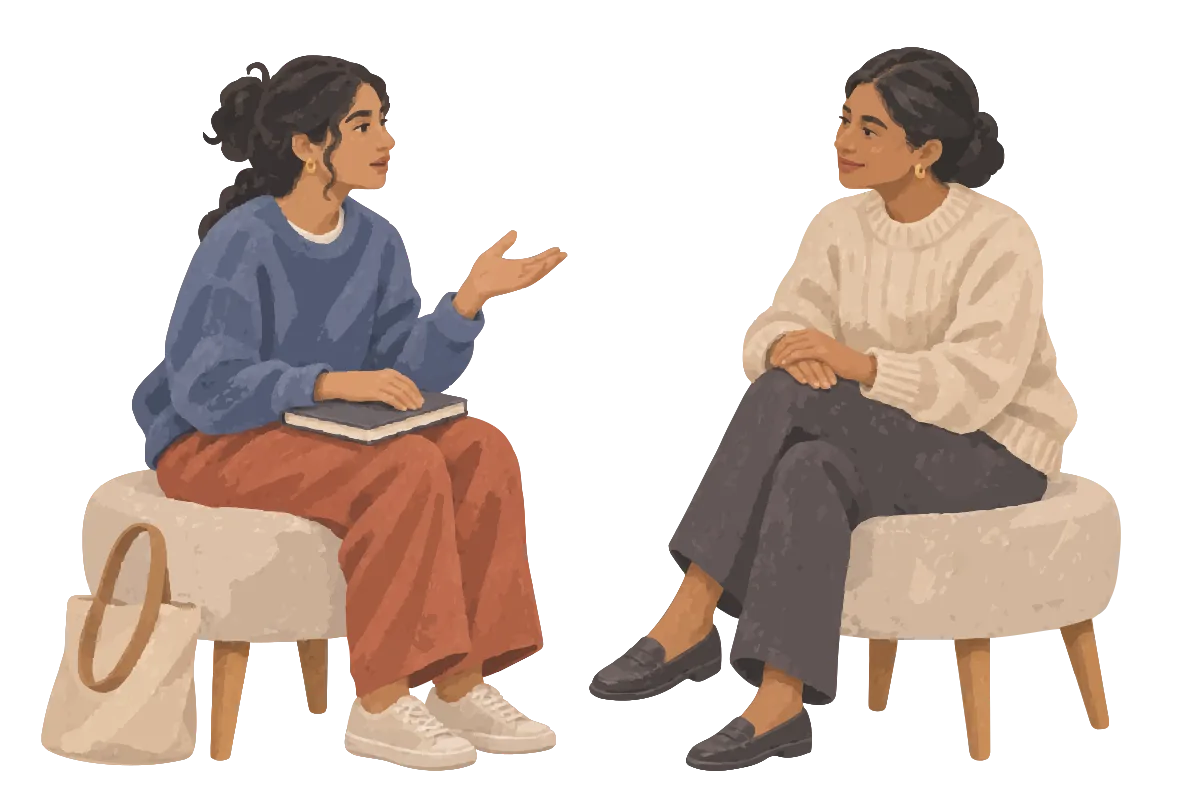
What social anxiety is and how treatment helps
Social anxiety treatment can include cognitive behavioral therapy (CBT), gradual exposure to feared social situations, other forms of talk therapy, medication or a combination of treatments. The aim is to help you manage the fear of being judged or embarrassed so that you can take part in activities that matter to you. A mental health professional can help you understand your symptoms and consider which treatment might suit your needs.
Social anxiety disorder, sometimes called social phobia, involves a persistent, intense fear of situations where you may be watched, judged or evaluated by others. It goes beyond feeling nervous before a presentation or uncomfortable around unfamiliar people. You may find yourself avoiding situations altogether or enduring them with considerable distress.
Therapists often hear from people who have spent years assuming these difficulties were simply part of their personality. You might rehearse what to say before ordering coffee, worry about how your voice sounds or replay an ordinary conversation long after it has ended. The National Institute of Mental Health estimates that 7.1% of U.S. adults had social anxiety disorder in the past year, and about 12.1% experience it at some point in their lives. NIMH also notes that it usually develops during childhood or adolescence and can resemble extreme shyness.
You do not have to become an outgoing person to benefit from treatment. Being quiet, enjoying time alone or preferring smaller gatherings does not need to change. Therapy can focus on the difference between choosing to spend time alone and feeling unable to join others because of fear. If these difficulties are affecting your everyday life, talking to a therapist who works with social anxiety may help you understand what is happening and consider your treatment options.
If you are in emotional distress, experiencing a mental health crisis or thinking about suicide, call or text 988 to contact the 988 Suicide & Crisis Lifeline. If you or someone else is in immediate danger, call 911.
Social anxiety symptoms and signs it may be time to see someone
Social anxiety shows up in the body, in your thoughts and in what you do. NIMH describes symptoms such as blushing, sweating, trembling, a racing heart and a mind that goes blank when you have to perform or be around others. You may also feel sick to your stomach or notice that your body becomes tense and stiff.
Therapists often hear about these difficulties when people describe how social anxiety affects their daily lives:
- Dreading events for days or weeks beforehand, then going over every detail afterward.
- Relying on habits that make social situations feel more manageable, such as staying near the door, looking at your phone, avoiding eye contact or drinking alcohol to feel less anxious.
- Turning down promotions, classes or dates because they involve being seen.
- Letting calls go to voicemail and texting instead, even with people you like.
- Feeling sure that others can see your anxiety and think less of you for it.
- Finding it difficult to concentrate on a conversation because you are monitoring your facial expressions, voice or movements.
It may be helpful to talk to a therapist when fear regularly prevents you from doing things you want or need to do. Perhaps you have missed important occasions, struggled to participate at work or school, or found it increasingly difficult to maintain friendships. You do not need to wait until these difficulties become severe before asking for support.
Having some of these experiences does not necessarily mean you have social anxiety disorder. A mental health professional can consider how often they occur, how long they have been present and how much distress they cause. They may also explore other possible explanations for what you are experiencing.
Therapies for social anxiety
Several therapies for social anxiety have research supporting their use. Your therapist may discuss your symptoms, previous experiences of treatment and what you would like to change before recommending an approach. Understanding the different approaches to therapy may help you feel more comfortable discussing your preferences and asking questions about treatment.
Cognitive behavioral therapy for social anxiety
Cognitive behavioral therapy (CBT) is a widely used psychological treatment for social anxiety disorder. NIMH describes CBT as a well-studied therapy commonly used for social anxiety disorder. It helps you examine patterns of thinking and behavior that contribute to anxiety and may include opportunities to develop and practice social skills.
For example, you might regularly predict that other people will notice your hands shaking and judge you negatively. CBT can help you examine that prediction, consider other explanations and learn from what actually happens during an interaction. The intention is not to force yourself to think positively, but to consider your fears alongside other possibilities.
Exposure therapy for social phobia
Exposure therapy is commonly used within CBT. NIMH describes exposure therapy as an approach that helps people face feared situations and reduce avoidance. For social anxiety, this may involve gradually practicing situations such as asking a store employee a question, contributing to a meeting or giving a short presentation.
You and your therapist can discuss which activities to try, how difficult they feel and what you hope to learn from them. The aim is to learn from facing situations you fear and become more able to tolerate uncertainty and discomfort. Anxiety does not have to disappear during an exercise for the experience to be useful.
Acceptance and commitment therapy
Acceptance and commitment therapy (ACT) helps you notice anxious thoughts and feelings without needing to eliminate them before doing something that matters to you. It may involve mindfulness exercises, identifying what you value and practicing meaningful activities even when anxiety is present. ACT has research supporting its use for social anxiety disorder, although the evidence is less extensive than that for CBT. You can discuss with your therapist whether this approach addresses the difficulties you want to work on.
Group therapy and other approaches
Group CBT offers opportunities to practice interacting with others, examine fears of judgment and discuss experiences with people facing similar difficulties. Other therapeutic approaches may address experiences of rejection, shame or difficulties in relationships. The evidence supporting different therapies specifically for social anxiety disorder varies, and you can ask a therapist how their proposed treatment addresses your symptoms.
Medication may also be part of treatment. A qualified prescriber can discuss this option with you, including its potential benefits, risks and suitability for your circumstances.
What happens in social anxiety therapy sessions
The first appointment is usually a conversation about what has brought you to therapy. Your therapist may ask which situations are hardest, how long this has been going on, what you do to cope and what you would like to be different. They may also ask about your physical health, mood, sleep and previous experiences of treatment.
Perhaps you want to contribute to meetings without spending the rest of the day worrying about what you said. You might want to attend a friend's wedding, make new friends or feel more comfortable answering the phone. These concerns can help your therapist understand what matters to you. Knowing what to expect in a first therapy session may also make the appointment feel less unfamiliar.
In an approach such as CBT, later sessions may involve more active exercises. You might:
- Build a list of situations that cause anxiety, arrange them by how difficult they feel and discuss which ones to practice.
- Examine predictions about saying something embarrassing or being judged, then compare those predictions with what happens.
- Identify habits you rely on to feel less exposed, such as rehearsing every sentence, and gradually experiment with changing them.
- Practice a conversation or a short presentation during a session, with feedback to help you understand how your experience compares with what others notice.
- Agree on an activity to try before the next appointment and discuss what you learned from it.
You can also talk about experiences that are difficult to describe, including loneliness, embarrassment about your anxiety, criticism from others or painful memories of school. If discussing these subjects feels uncomfortable, you can tell your therapist. It is reasonable to ask why an exercise is being suggested or explain that you would prefer to approach something more gradually.
If attending an appointment in person feels particularly difficult, online therapy sessions may be an option. Social anxiety therapy can also involve discussing and practicing activities outside appointments, regardless of how your sessions are delivered.
How to help social anxiety between sessions
Practicing what you discuss in therapy can help you apply new skills to everyday situations. The activities that are useful will depend on what causes your anxiety and the treatment you are receiving. You can discuss the following ideas with your therapist and adapt them to your circumstances:
- Pay attention to the conversation. If you notice yourself monitoring how you look or sound, gently return your attention to what the other person is saying. You do not need to stop noticing your anxiety altogether.
- Allow yourself to breathe comfortably. Gentle, unforced breathing may help with physical tension. You do not have to feel completely calm before participating in a social activity.
- Practice a manageable social activity. Depending on your treatment plan, this might involve greeting a neighbor, asking a question in class or contributing briefly to a conversation. Choose activities that are appropriate for your circumstances.
- Compare your expectations with your experience. Write down what you feared might happen and what you observed afterward. Consider what the experience taught you, even if some anxiety remained.
- Discuss how you use alcohol to cope. If drinking has become a regular way of managing social situations, tell your therapist or another health care professional. This information can help them understand what support you may need.
You may have heard of the 3-3-3 rule, a grounding exercise that involves identifying three things you can see, three sounds you can hear and moving three parts of your body. Some people find it helps redirect their attention when they feel anxious. It is not an established treatment for social anxiety disorder, and you do not need to use it before entering every feared situation.
If an activity feels too difficult or leaves you feeling discouraged, discuss it during your next session. Your therapist can help you reconsider the exercise and what made it difficult. The amount of anxiety you experience on a particular day is not, by itself, a measure of your progress.
How social anxiety affects work, school and relationships
Social anxiety can affect several areas of your life, even when other people do not notice that you are struggling. At work, you may find it difficult to contribute to meetings, ask a manager for support or apply for a different position because interviews feel overwhelming. At school or college, you might avoid classes that require speaking in front of others, struggle to ask for help or find it difficult to continue attending a course that interests you.
In relationships, the effort of monitoring your words, facial expressions and behavior can feel exhausting. You may cancel plans at the last minute and then feel disappointed or guilty. Dating can bring particular worries about rejection or embarrassment. Maintaining friendships may become difficult when initiating a conversation or arranging to meet someone feels intimidating.
Social anxiety can also look different from person to person. For some, it appears only in performance situations, such as public speaking or playing music in front of others. NIMH describes this performance-only presentation as one way social anxiety disorder can occur. For others, anxiety affects a wider range of interactions, including conversations with acquaintances, eating in public or meeting unfamiliar people.
Social anxiety in children and teenagers
Children and teenagers may have difficulty participating in class, joining activities or forming friendships. Some children experience a separate anxiety disorder called selective mutism, which involves persistent difficulty speaking in particular situations despite being able to speak in others. It is not a deliberate refusal to communicate. Assessment may involve a mental health professional experienced in working with children and a speech-language pathologist.
Therapy can address the everyday effects of anxiety alongside the fear itself. Your goals might include returning to a class, expressing an opinion at work, maintaining a friendship or attending a family occasion. These goals can help you and your therapist consider what meaningful progress would look like for you.
Finding a therapist for social anxiety
When looking for a therapist for social anxiety, consider their professional qualifications, experience treating anxiety disorders and approach to treatment. It can also help to consider how comfortable you feel discussing difficult experiences with them. Therapists trained in CBT and exposure therapy may be particularly relevant if you want to work on persistent fears of social situations and avoidance.
Several types of licensed mental health professionals provide social anxiety therapy:
- Licensed psychologist: Psychologists who provide clinical services commonly hold a doctoral degree, such as a PhD or PsyD, and have training in psychological assessment and treatment.
- Licensed clinical social worker (LCSW): A clinician with graduate-level social work education and clinical training who can provide psychotherapy within their professional license.
- Licensed professional counselor (LPC or LPCC): A counselor with graduate-level education and supervised clinical training. License titles and requirements vary across licensing jurisdictions.
- Licensed marriage and family therapist (LMFT): A clinician with graduate-level education and clinical training in psychotherapy, including how relationships and family experiences affect mental health.
- Psychiatrist or psychiatric mental health nurse practitioner: Health care professionals who may assess mental health conditions and discuss medication within their prescribing authority. Some also provide psychotherapy.
A professional license does not necessarily mean someone has specific training in treating social anxiety. Questions you may want to ask include:
- What experience do you have treating social anxiety disorder?
- What type of therapy would you consider for someone experiencing these difficulties?
- Do you use exposure therapy, and how do you decide which exercises to try?
- Do you provide individual or group therapy?
- How do you assess progress and decide when treatment needs to change?
- How would you help someone who feels anxious about speaking during appointments?
You may find it difficult to ask questions or describe your concerns during an initial conversation. Writing down what you want to discuss beforehand is one option. When considering how to find a therapist who fits your needs, pay attention to how clearly they explain treatment and how they respond when you express uncertainty or discomfort.
If you would like professional support, you can contact a therapist who works with social anxiety to discuss your concerns. You do not need to explain everything in the initial conversation. Describing one or two situations you find difficult may be enough to discuss how treatment could address them.
Common questions
Can social anxiety improve with treatment?
Social anxiety can improve with treatment, although the amount of improvement and the time it takes vary. Approaches such as CBT with gradual exposure can help you examine fears of judgment and reduce avoidance. You do not need to eliminate every anxious feeling for therapy to be useful. Treatment may focus on helping you participate more freely in activities, conversations and relationships that matter to you.
How long does social anxiety treatment take?
The length of treatment varies. A structured course of CBT for social anxiety may involve weekly appointments over several months. Your needs, the difficulties you experience and the type of treatment can all affect how long therapy continues. Ask your therapist how they assess progress and how often you will discuss whether treatment is addressing your concerns or needs to change.
What is the 3-3-3 rule for social anxiety?
The 3-3-3 rule is a grounding exercise that involves identifying three things you can see, three sounds you can hear and moving three parts of your body. Some people find this helps redirect their attention during moments of anxiety. It is not an established treatment for social anxiety disorder and does not replace therapies that address persistent fears, avoidance and distress in social situations.
Who should I talk to about social anxiety?
A licensed mental health professional with experience treating anxiety disorders can help you understand your symptoms and discuss treatment. This may be a psychologist, clinical social worker, professional counselor or marriage and family therapist. Your primary care clinician can also help you consider your options. If discussing medication is something you are interested in, a qualified prescriber can talk through that with you.
What is the difference between shyness and social anxiety disorder?
Shyness can involve feeling reserved or uncomfortable around other people without necessarily causing significant distress or interfering with daily life. Social anxiety disorder involves persistent fear of being judged or embarrassed, often accompanied by avoidance or considerable distress during social situations. The distinction is not simply how quiet or outgoing you are. A mental health professional can assess the intensity, duration and everyday effects of your fears.
Can online therapy help with social anxiety?
Yes. Psychotherapy can be effective when provided online or in person. Online appointments may feel more manageable if attending an unfamiliar office causes considerable anxiety. Depending on the type of therapy, your treatment may also involve practicing social activities outside appointments. You can ask your therapist how online sessions would address your particular fears and how you would work together on activities that you currently find difficult.
Is group therapy helpful for social phobia?
Group CBT is an established treatment option for social anxiety disorder, also known as social phobia. It can provide opportunities to practice interactions, examine fears of judgment and learn from the experiences of others. Joining a group may initially feel uncomfortable. You can discuss how the group is organized, what participation involves and whether individual or group therapy might be more appropriate for your needs.
Can medication help with social anxiety?
Medication is one of the available treatments for social anxiety disorder. A qualified prescriber can discuss whether it may be appropriate for your circumstances, either on its own or alongside psychotherapy. You can ask about potential benefits, side effects and other considerations. Your treatment preferences, medical history and any other health conditions are relevant to that discussion.
Sources and further reading
- National Institute of Mental Health: Social Anxiety Disorder statistics
- National Institute of Mental Health: Social Anxiety Disorder: What You Need to Know
- National Institute of Mental Health: Psychotherapies
- National Institute of Mental Health: Anxiety Disorders
- 988 Suicide & Crisis Lifeline
Page updated November 2026.
Social anxiety therapists by location
Social anxiety therapists across the United States


